Skip to main content
Museus de Sitges
Become
friend
Buy tickets
Buy tickets
ca
es
en
fr
Sitges Museums
Cau Ferrat
Museum
Maricel
Museum
Palau
Maricel
Fundació Stämpfli
Romantic
Museum
Sitges Heritage Association
Visit
Schedule
Visit and routes
Fees
How to get there
Accessibility
360 virtual tour
Reasons to visit us
Shop / Bookstore
Exhibitions and activities
Exhibitions
Current exhibitions
Future exhibitions
Previous exhibitions
Activities
All
Children and family
To do #WithKids
Lecture club
Learn and investigate
Collections
Online Collections
Top 100
Publications
Artwork of the month
Education
Blog
Podcast
News
Electronic office
Electronic office
Bulletin board
Generic instance
Electronic invoice
Sitges Heritage Association
Staff recruitment
Contact
Weddings
Space rental
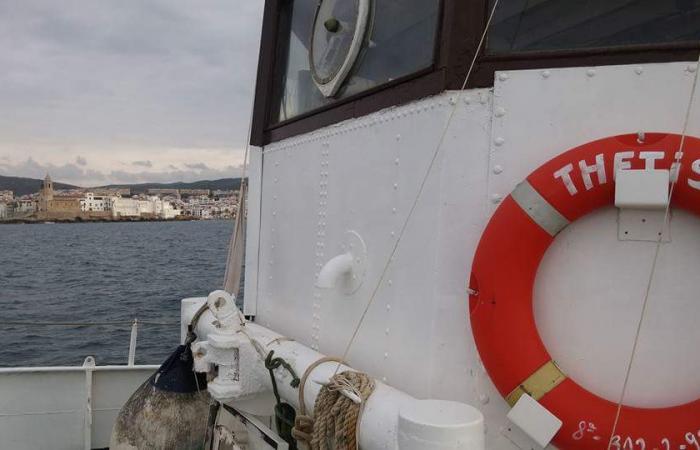
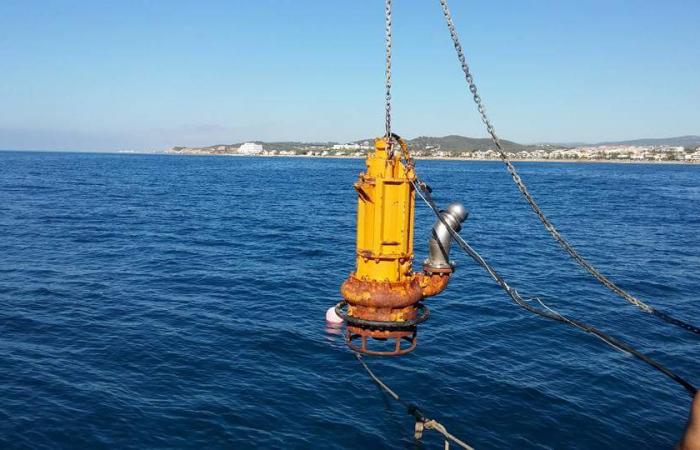
The third phase of the review of the Archeological Chart intends to find more information about ships sunk in Sitges in 1642
The works allow geophysical prospection tasks facing the beach of Garraf in a range between 10 and 25 meters deep in front of Sitges
Monday 29 August 2016





 Buy tickets
 Buy tickets